
From the depths of the ocean rises the future — seaweed will feed, heal, and sustain our world.
Our Projects
-
CircleFeed
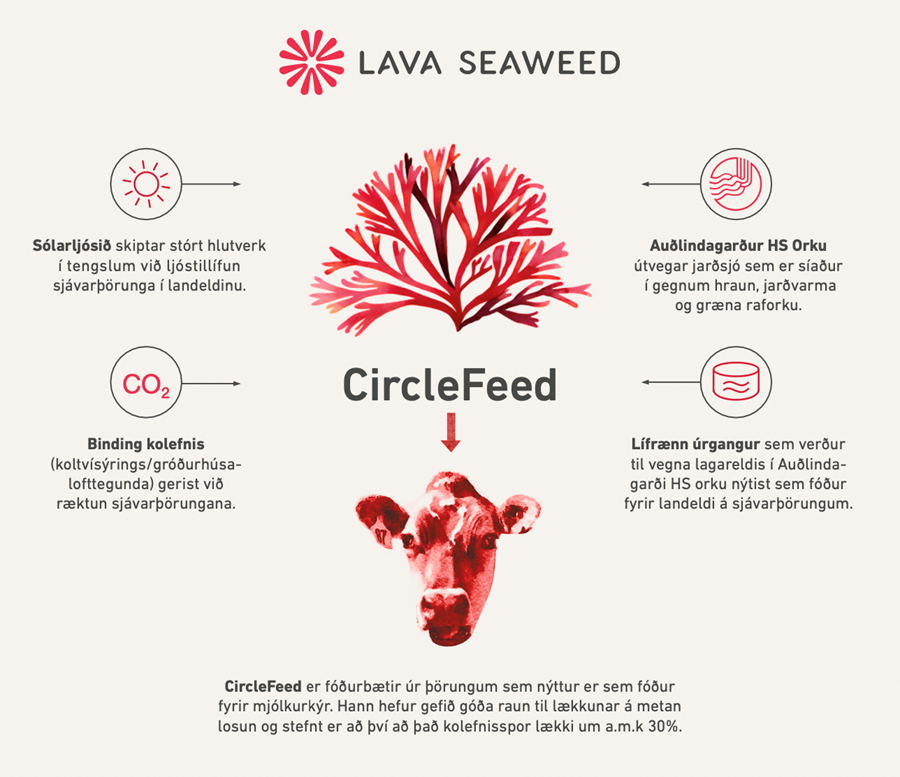
Circle Feed is an innovative research and development project focused on reducing greenhouse gas emissions from livestock farming through the use of seaweed-based feed additives. By integrating sustainably cultivated red algae (Palmaria palmata) into dairy cattle feed, the project aims to lower methane emissions while maintaining animal health and productivity.
Lava Seaweed contributes to Circle Feed by developing reliable cultivation methods and providing high-quality, traceable seaweed biomass produced with renewable Icelandic resources. The project represents a key step toward climate-friendly agriculture and circular use of marine resources.
-
Umhverfissjóður Sjókvíaeldis
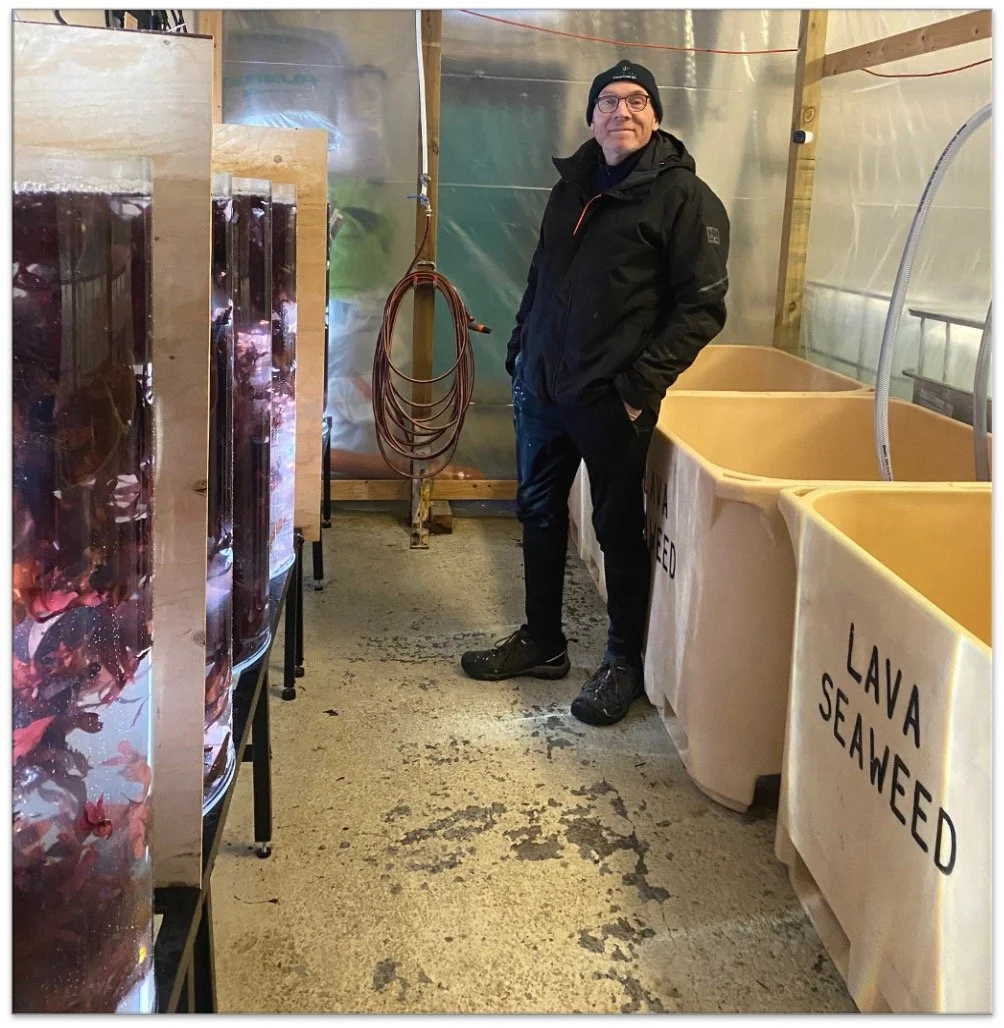
The project tested whether the red seaweed Palmaria palmata can be cultivated using nutrient-rich effluent from land-based salmon farming to create a sustainable IMTA system. Results showed strong growth and effective nutrient uptake in Phase 1, with daily growth rates over 5%, while Phase 2 saw reduced growth due to over-enrichment and competition from other algae. The seaweed significantly improved water quality by absorbing dissolved nitrogen and CO₂, demonstrating its value as a natural biofilter. The project also achieved major progress in controlled reproduction of Palmaria palmata, including successful fertilization and spore release. Overall, the findings confirm that combining salmon effluent with red seaweed cultivation is both environmentally beneficial and commercially promising. Next steps include optimizing nutrient levels through controlled mixing of effluent and clean seawater to enable larger-scale production.
-
Tækniþróunarsjóður - Vöxtur
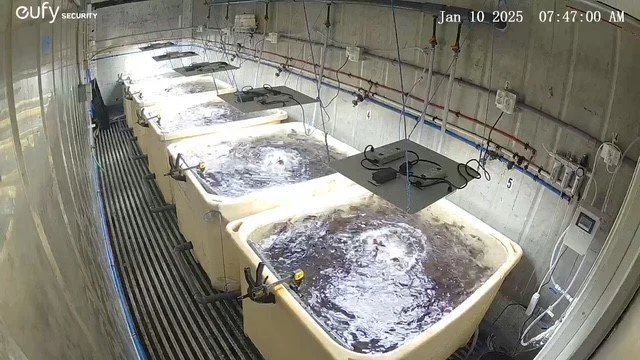
The project develops an integrated circular economy of red seaweed cultivation that utilizes organic waste from salmon farming. Lava Seaweed cultivation system yields profitable seaweed farming using lava-filtered seawater and renewable energy. Organic waste from salmon farming is underutilized, but red seaweed like dulse (Palmaria palmata) and Irish moss (Chondrus crispus) can absorb nutrients, doubling biomass in under two weeks. These valuable products are sought after for dietary and feed supplements, offering consistent quality from unique algae cultivation systems. The project promotes sustainability, generates revenue, and strengthens incentives for eco-friendly aquaculture. By integrating seaweed cultivation with salmon farming, it reduces environmental impact, enhances carbon sequestration, and supports sustainable food production. It also creates new opportunities in the circular economy by utilizing wastewater and developing specialized cultivation and monitoring equipment.
Partners



Contact Us
Interested in working together? Fill out some info and we will be in touch shortly. We can’t wait to hear from you!